The Ultimate Guide To Choosing The Best eSIM Card For Travel
An eSIM is a fully rewritable chip embedded directly into your phone, meaning you never need to touch a physical plastic card again. You can switch between mobile carriers in seconds by scanning a simple QR code, giving you instant control over your connectivity. This digital design lets you store multiple profiles on one device, allowing you to seamlessly manage both your work and personal lines without swapping SIMs.
What Is an Embedded SIM and How It Works
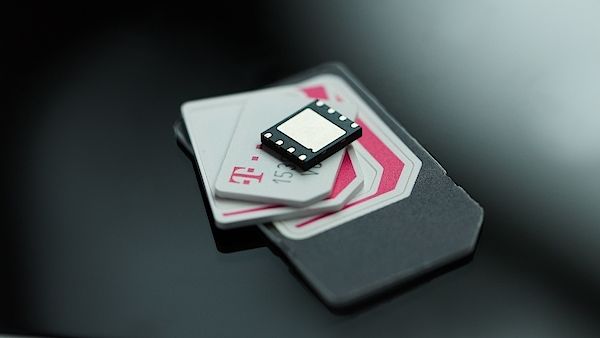
An embedded SIM, or eSIM card, is a tiny, programmable chip soldered directly onto a device’s motherboard, replacing the traditional plastic SIM. Instead of inserting a physical card, you download a digital profile from your carrier onto the chip. This profile contains your subscriber identity, encryption keys, and network access details. To activate it, you scan a QR code or use an app to securely transfer the data. The chip stores multiple profiles simultaneously, letting you switch between carriers or plans instantly without swapping any hardware. This makes activating a cellular plan as seamless as connecting to Wi-Fi, with no waiting for a physical card to arrive.
The Technology Behind Remote SIM Provisioning
Remote SIM Provisioning (RSP) relies on a secure, over-the-air (OTA) mechanism that writes a downloadable operator profile onto the eSIM’s embedded chip. The process uses a public key infrastructure (PKI) to authenticate both the eSIM and the operator’s subscription manager, ensuring only verified credentials are installed. A critical component is the Local Profile Assistant (LPA), which handles the binding of the profile to the device’s modem. Secure element isolation prevents the primary mobile network from being disrupted during activations. Once downloaded, the profile is permanently encrypted and stored in a dedicated, tamper-resistant area of the hardware.
The technology enables dynamic, hardware-secured carrier-switching at the chip level, removing the need for a physical card.
Differences from Traditional Plastic SIM Cards
Unlike a traditional plastic SIM, an eSIM is soldered directly onto your phone’s motherboard, so you never have to fiddle with a tiny tray or risk losing a card. The biggest difference is carrier switching without a physical swap; you skip the wait for a posted SIM and instead download a new carrier profile in seconds. Setting up a second line is also simpler—you can often add a data-only plan for travel while keeping your main number live. The process follows a clear sequence:
- Scan a carrier QR code or app prompt.
- Confirm the installation on your phone.
- The profile activates instantly, no plastic card required.
That means no more hunting for a SIM ejector tool or storing old cards in a drawer.
Top Reasons to Switch to a Digital SIM

Switching to an eSIM card eliminates the physical SIM tray, freeing up internal space for a larger battery or sleeker design in your device. Instant carrier switching is a primary reason, as you can download a new data plan directly from an app without waiting for a plastic card to arrive. For frequent travelers, this is transformative; instead of hunting for a local store, you purchase and activate a regional eSIM plan minutes before landing. Furthermore, you can store multiple profiles on a single device, managing work, personal, and travel numbers simultaneously without the hassle of swapping tiny, fragile cards.
This digital approach means your connectivity is no longer tied to a physical chip that can be lost or damaged.
Managing your mobile identity becomes purely a software experience, giving you greater control and flexibility.
Convenience of Switching Carriers Instantly
Switching carriers with an eSIM is as simple as opening an app and scanning a QR code. You never need to visit a store or wait for a physical card to ship. This instant activation means you can jump to a better plan or local network the moment you land in a new country. No more popping out a tiny SIM tray or carrying a multi-tool just to swap providers. For travelers or digital nomads, network hopping on the fly becomes a seamless, almost invisible process—keeping you connected exactly when you need it.
No Need for Physical Card Handling
Switching to an eSIM eliminates the need to physically handle a plastic SIM card during activation or carrier changes. Users avoid fumbling with tiny cards, finding a paperclip to open the SIM tray, or risking damage to the card or phone slot. This eliminates physical SIM card hassle entirely, as the digital profile installs remotely via a QR code or app, offering immediate connectivity without waiting for a card to arrive.
Can I still use my phone normally without handling a physical SIM? Yes, the eSIM activates digitally, so your phone operates exactly the same for calls, texts, and data, with no physical card to insert, remove, or swap.
Support for Multiple Number Profiles
Switching to a digital SIM offers the standout benefit of support for multiple number profiles, allowing you to store several plans on a single device without swapping physical cards. You can instantly switch between a work number, a personal line, and a travel data plan with just a tap in your settings. This eliminates juggling tiny SIM trays or carrying a second phone. Each profile remains isolated, so you keep business and personal communications separate while maintaining a single device. The freedom to add a local eSIM profile for international trips without losing your home number is a practical upgrade for frequent travelers.
Devices That Support Embedded SIM Technology
The old phone felt like a brick of separate components, but the new one had a tiny, soldered chip inside its frame—the heart of embedded SIM technology. On that train, I didn’t fumble with a plastic tray; instead, I scanned a QR code from my carrier to instantly provision the eSIM card. My watch, too, synced its own eSIM profile without ever needing a physical slot. The laptop I borrowed from a friend already held a dormant eSIM, ready for a temporary data plan. It was like each device carried a quiet, digital fingerprint waiting to be activated. For travelers, this means no lost pips or fiddling with tweezers.
Smartphones and Tablets with Native Compatibility
Many modern smartphones and tablets now ship with native eSIM compatibility, eliminating the need for a physical SIM tray. Devices like the iPhone 14 series (US models) and recent Google Pixel and Samsung Galaxy flagships allow users to activate a cellular plan directly through software. This built-in support enables instant network switching without swapping cards, ideal for travelers juggling multiple carriers. The convenience is evident when provisioning a secondary line for data while keeping the primary number active.
Q: Do eSIM-only smartphones require a physical SIM slot?
A: No, models like the US iPhone 14 and 15 rely solely on native eSIM; they have no physical tray, storing all profiles on an embedded secure element.
Wearables and Smartwatches
An embedded SIM transforms a smartwatch into a truly independent device, enabling wearable cellular connectivity without a paired phone. You can stream music, take calls, or send messages directly from your wrist during a run. This eliminates the need for a physical SIM tray, allowing manufacturers to make the watch thinner and more water-resistant. A single eSIM profile can also be switched between your watch and your phone, so you maintain the same number on both devices. This freedom of use makes an eSIM-powered smartwatch an essential companion for an active, connected lifestyle.
| Feature | Without eSIM | With eSIM |
| Phone independence | Relies on Bluetooth range | Works anywhere with signal |
| Activity tracking | Phone must be nearby | Fully untracked from phone |
| Emergency calls | Requires paired device | Direct from the wrist |
Laptops and IoT Gadgets
Laptops with embedded SIM slots enable persistent connectivity without reliance on Wi-Fi hotspots, supporting remote work via cellular data plans that can be switched remotely. IoT gadgets like smart sensors and trackers benefit from eSIMs by eliminating physical SIM swaps in hard-to-access devices, allowing network profiles to be provisioned over-the-air. For laptops, the eSIM primarily serves user-initiated mobility, whereas for IoT devices, it enables autonomous, long-term deployments where manual SIM replacement is impractical.
How to Activate and Manage a Virtual SIM
Activating an eSIM carddigital profile, your virtual SIM becomes active instantly. To manage your eSIM, toggle between multiple profiles directly from your device’s network menu—no physical swapping needed. Need to switch carriers? Download a new eSIM profile from the provider’s app. For travel, activate a local eSIM while keeping your primary line suspended. Always label each profile clearly (e.g., “Home” or “Japan Trip”) to avoid confusion. When done, simply delete the profile to deactivate the virtual SIM entirely. This process lets you control connectivity with zero hardware changes.
Step-by-Step Activation via QR Code
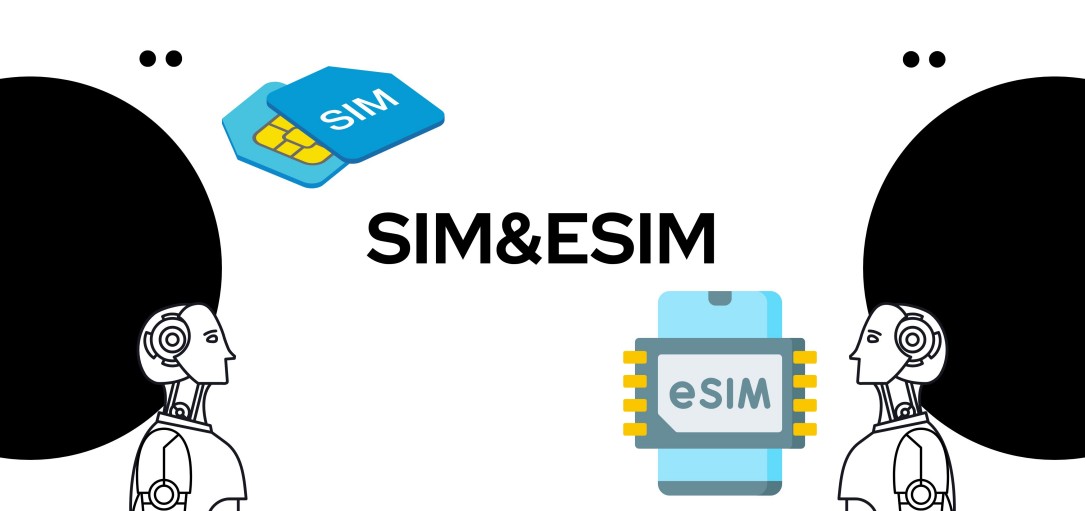
Activating an eSIM via QR code begins after purchase, when the carrier provides a scannable code. Open your device’s mobile network settings, select “Add eSIM,” and scan the provided QR code. The device automatically downloads the eSIM profile; step-by-step activation via QR code then requires confirming the profile assignment. A typical
- Navigate to Settings > Cellular or Mobile Data.
- Tap “Add eSIM” or “Add Data Plan.”
- Scan the QR code when prompted.
- Label the line if multiple plans exist.
- Tap “Activate” and reboot if instructed.
Failure to scan swiftly may invalidate the one-time-use code, demanding a new code from the carrier.
Using Apps to Add New Plans
To add a new plan via an eSIM, you begin by launching the carrier’s dedicated app or a third-party eSIM management app. Within the app, select “Add New Plan,” which typically triggers a QR code scan or downloads an eSIM profile directly. The app then authenticates your device and installs the profile, often letting you label it (e.g., “Business” or “Travel”). This process bypasses physical swapping. App-based eSIM activation centralizes all your cellular plans in one interface, allowing instant toggling between active lines without removing a physical card.
- Confirm your device is unlocked and app-compatible before scanning the eSIM QR code.
- Choose the “Add Cellular Plan” option inside the app to initiate the download of a new profile.
- Assign a distinct label and default data line for each plan to simplify future switching.
- Delete an old plan via the app’s “Manage Plans” section before adding a new one to avoid storage limits.
Switching Between Different Profiles
Switching between different eSIM profiles is a core function, allowing you to change carriers or data plans directly from your phone’s settings menu. You simply navigate to the cellular or mobile network section, select the desired profile, and activate it, while the other profile deactivates automatically. Profile management is instant, and most devices support storing multiple eSIMs for seamless rotation between work and personal lines. This flexibility means you can switch plans mid-trip without ever needing a physical card, maintaining connectivity exactly when you need it. Remember to label each profile clearly to avoid confusion during quick swaps.
Travel Benefits of Using a Programmable SIM
A programmable eSIM card revolutionizes travel connectivity by allowing users to switch between local data plans from their device settings without physically swapping SIMs. This eliminates the need to hunt for physical SIM vendors abroad, saving time and reducing roaming costs. Travelers can pre-load multiple operator profiles before departure, ensuring immediate coverage upon arrival. The flexibility to dynamically switch carriers based on signal strength or pricing helps avoid dead zones. For frequent border crossers, an eSIM enables seamless reconfiguration for each new country within minutes. However, not all devices support programmable eSIMs, so verifying compatibility before travel is essential. This approach simplifies managing connectivity across multiple destinations.
Avoiding Roaming Charges Abroad
A programmable SIM lets you avoid roaming fees abroad by pre-loading a local data plan before you depart, bypassing your home carrier’s international rates. Since the eSIM activates on a foreign network upon arrival, you never incur daily roaming surcharges. This eliminates the need to swap physical cards or hunt for SIM vendors at airports. The cost is a flat, per-gigabyte local rate—no surprise bills. Q: How does an eSIM circumvent per-day roaming charges? A: It replaces your domestic carrier’s international profile with a local provider’s data plan, so all usage is billed at that local price, not your carrier’s inflated roaming tariff.
Buying Local Data Plans Without Physical Swaps

Forget fumbling with a paperclip to swap SIMs at your arrival gate. With an eSIM, buying local data plans without physical swaps becomes instant: you simply scan a QR code from a local provider online or open a travel app to purchase and activate a regional data bundle within minutes. No more hunting down kiosks or worrying about losing your tiny home SIM card. You can even buy a second, cheaper data bucket for a neighboring country while still keeping your home number active for calls. UK eSIM This turns flexible connectivity into a seamless, on-the-fly habit.

Keeping Your Home Number Active
When traveling with an eSIM, keeping your home number active ensures you continue receiving SMS-based two-factor authentication codes from your bank and services. A programmable eSIM lets you designate your physical SIM slot for your home network, forwarding calls to voicemail while the eSIM handles data abroad. You retain access to iMessage or WhatsApp verification tied to your primary number without roaming charges. Most devices allow you to set the home line exclusively for receiving SMS, preventing accidental data charges. This setup avoids the hassle of swapping physical SIMs or losing critical account access while overseas.
Security and Privacy Advantages
An eSIM boosts security because it’s soldered into your device, making it impossible for thieves to physically remove and swap into another phone. This cuts the risk of SIM-swapping attacks, where criminals take over your number. It also prevents your physical card from being lost or cloned. Privacy-wise, your carrier profile is stored in tamper-resistant hardware, so your credentials are never exposed during activation. Q: Can an eSIM be hacked remotely? A: It’s extremely difficult because the eSIM securely authenticates directly with the network, minimizing interception risks compared to a traditional card.
Reduced Risk of Card Theft or Damage
An eSIM eliminates the physical SIM card, removing the primary vector for card theft or physical damage. You cannot have your SIM card lost, stolen, or snapped in half when no removable hardware exists. This inherent theft protection means your mobile identity remains securely embedded within the device’s chip, unaffected by wallet loss or rough handling. Swapping devices or recovering from damage involves a remote eSIM profile re-download, not waiting for a replacement physical card. This hardware-free design directly reduces risks tied to the tangible SIM itself.
Remote Lock and Wipe Features
Remote lock and wipe features on an eSIM provide direct device control when your phone is lost or stolen. You can instantly lock the eSIM profile to prevent unauthorized network access, or remotely wipe the eSIM data entirely, erasing your carrier credentials. This eliminates the risk of a thief using your mobile plan. Unlike a physical SIM, the eSIM is not a removable card that can be swapped, so a remote wipe is your final, irreversible security layer. Q: Can I still wipe the eSIM if the phone is offline? A: Yes, the wipe command triggers once the device reconnects to a network, ensuring the protection executes even without current connectivity.
Encrypted Profile Storage
Encrypted profile storage on an eSIM isolates the carrier credentials within a secure, tamper-resistant hardware element, such as an embedded chip. This cryptographic sandbox ensures the subscriber’s identity data—including the IMSI and authentication keys—remains inaccessible to the device’s main operating system or any installed applications. Even if the smartphone is lost, the encrypted storage prevents extraction or cloning of the profile, as decryption keys never leave the secure element. This logical barrier transforms the network identity into a protected, non-extractable asset, drastically reducing risks of SIM swapping or unauthorized remote access. Is the encrypted profile storage on an eSIM more secure than a physical SIM? Yes, because the eSIM’s secure element is soldered and physically isolated, resisting hardware tampering that a removable plastic SIM card can suffer, while still using the same or stronger cryptographic algorithms.
Comparing Plans from Major Global Carriers
When comparing plans from major global carriers for your eSIM, the real-world difference often shows up during a layover in Dubai. I found that one carrier offered 10GB of data for $12 covering all of Europe, while another charged $20 for just 3GB in the same region—both activated instantly via QR codes.
The trick wasn’t just price; it was noticing that the cheaper plan throttled video streaming after 5GB, which killed my Netflix queue.
Meanwhile, a third carrier’s global plan let me hop from Japan to Brazil on a single profile without reconfiguring, but it cost twice as much for half the speed. The only way to pick correctly was testing each carrier’s actual coverage map on my phone before committing, since one boasted “global” but had no signal in rural Thailand.
Prepaid vs. Postpaid Virtual Options
When comparing global carriers, prepaid virtual eSIMs offer ultimate flexibility: you load credit upfront, avoid long-term commitments, and can switch providers instantly if coverage drops. Postpaid virtual options, however, tie you to a monthly bill, often bundling multiple lines or data pools across devices. Prepaid excels for short-term travel or budget control, while postpaid suits frequent travelers who want constant connectivity without manually topping up. Both run entirely on digital infrastructure, but your choice hinges on whether you value zero strings (prepaid) or consolidated billing and shared data (postpaid).
Best Providers for International Travelers
For international travelers, Airalo and Holafly remain the top eSIM choices due to their vast global coverage and straightforward apps. Airalo excels with budget-friendly, data-only packages across 190+ countries, perfect for light users. Conversely, Holafly offers unlimited data plans in 160+ destinations, ideal for heavy streamers or navigators. Both providers activate instantly via QR code, eliminating physical SIM swaps. Flexibility sets them apart: you can top up or switch regions without visiting a store.
For seamless connectivity abroad, choose Airalo for cost-effective regional data or Holafly for unlimited high-speed access worldwide.
Data-Only Plans for Short-Term Use
For short trips, data-only eSIM plans are a lifesaver because they skip voice and SMS, keeping costs low. You simply pick a local or regional plan for a set number of days. To get started:
- Check your phone’s eSIM compatibility.
- Download your chosen carrier’s app—like Airalo or Holafly.
- Purchase a plan based on your destination and duration, typically 7, 15, or 30 days.
- Scan or install the eSIM profile to activate instantly.
This lets you use maps, messengers, and browsing immediately without hunting for a physical SIM or a Wi‑Fi hotspot.
Troubleshooting Common Issues
When your eSIM refuses to connect after a carrier switch, the first instinct is panic, but the fix is often in the network settings reset. I’ve watched travelers tear their hair out over a “No Service” screen, only to realize a manual APN entry was missing or the wrong eSIM profile was active.
A quick scan of the QR code from your provider—even if you think it’s already installed—can save hours of frustration.
For dual-SIM users, the common culprit is forgetting which eSIM is set for mobile data; toggling between them in the cellular menu immediately shows which line holds the signal. If your eSIM disappears entirely after a phone reboot, re-downloading it from your carrier’s app often restores it without a support call.
Activation Failures and How to Fix Them
Activation failures often stem from a missing or incorrect eSIM activation code, such as a QR or manual entry data. First, confirm your device is unlocked and connected to Wi-Fi. Deleting the failed profile under Cellular settings, then re-scanning the QR code from your carrier typically resolves it. A carrier-side profile push can also fail if your device’s clock is out of sync; adjusting date/time to automatic fixes this. If the QR appears corrupted, request a fresh code from your provider.
Q: Why does my eSIM show “No Service” after scanning the QR?
A: This usually means the activation code hasn’t fully downloaded. Restart your device, then go to Cellular > Add eSIM. If prompted to “Continue,” select it to complete the carrier’s remote provisioning. If the prompt doesn’t appear, your carrier may need to reset the activation on their end.
Incompatibility with Older Devices
Incompatibility with older devices often prevents eSIM activation. Legacy hardware lacks the embedded SIM chip or firmware required to store and switch between eSIM profiles. To confirm compatibility, check your device’s settings for an “Add Cellular Plan” option or consult the manufacturer’s spec sheet for eSIM support. A device more than five years old typically cannot use an eSIM, requiring a physical SIM instead.
Q: Can a firmware update fix eSIM incompatibility on an older phone?
A: Rarely. Hardware limitations, such as the absence of an eSIM chip or secure element, cannot be resolved through software. Only full system board replacement would enable eSIM support.
Managing Storage for Multiple Profiles
Managing storage for multiple profiles on an eSIM card requires careful attention to the device’s storage capacity, which can be limited. Users should delete unused profiles to free up space for new ones, as each profile occupies a separate slot. Efficient profile organization helps prevent errors when switching between carriers. Some devices allow you to archive, rather than delete, a profile to retain its details without using a storage slot. Always check the available profile slots in your settings before adding a new eSIM, as exceeding capacity forces you to remove an existing one first. Regular audits of stored profiles ensure you maintain room for necessary travel or work plans.
Future Trends in Mobile Connectivity
The future of mobile connectivity hinges on the seamless multi-network roaming enabled by eSIM cards. Instead of fumbling with physical SIMs, your device will dynamically switch between carriers to latch onto the strongest signal, ensuring uninterrupted streaming and calls. This evolution will decouple connectivity from a single provider, allowing users to instantly activate local data plans from global operators while traveling. Expect eSIMs to power always-on, low-power connections for IoT wearables, syncing health data without a primary phone. As devices become purely digital, profile provisioning will be instantaneous, making the concept of “signing a contract” feel archaic in favor of on-demand, flexible mobile service.
Integration with 5G and Beyond
Integration with 5G and Beyond transforms the eSIM into a dynamic gateway for ultra-fast, low-latency connectivity. As networks evolve, the eSIM’s remote provisioning allows seamless switching between 5G standalone and future 6G spectrums without physical card swaps. This enables instant activation on the highest available band, ensuring you always leverage peak speeds for real-time applications like AR streaming or autonomous vehicle coordination. The embedded profile adapts to advanced network slicing, dedicating bandwidth for critical tasks—such as remote surgery—while maintaining standard connectivity for others. This future-proof eSIM architecture ensures your device remains compatible with next-generation mobile standards through simple, over-the-air updates.
Potential for Universal Device Compatibility
The potential for universal device compatibility with eSIMs could eventually eliminate the need to check hardware specs before switching carriers or traveling. A single eSIM profile might seamlessly activate across any compatible smartphone, tablet, or wearable, creating a fluid ecosystem where connectivity follows you, not a plastic card. This means your smartwatch could independently share the same plan as your phone without separate provisioning. Future devices could universally accept any eSIM profile, transforming how we juggle personal and work lines across different gadgets without physical swapping.
Impact on E-Waste and Sustainability
By eliminating the physical SIM tray and plastic card, eSIM adoption directly reduces the material waste associated with manufacturing, packaging, and shipping traditional SIMs. This shift cuts the lifecycle e-waste from obsolete or discarded cards, particularly beneficial as users upgrade devices or switch carriers. Furthermore, eSIMs encourage longer device use by simplifying network transitions, diminishing the incentive for premature hardware replacement tied to connectivity lock-in. The cumulative effect is a measurable reduction in raw material demand and electronic scrap from mobile components.
eSIM technology reduces e-waste by eliminating physical SIM cards and packaging, while encouraging longer device lifespans by simplifying carrier switching without hardware replacement. This directly decreases raw material consumption and electronic scrap from mobile components.